Training Your Chow Chow From Day One
Chow Chows are independent and standoffish with strangers, so early socialization and steady, reward-based training matter. Start with realistic expectations and a plan that respects how this breed thinks.
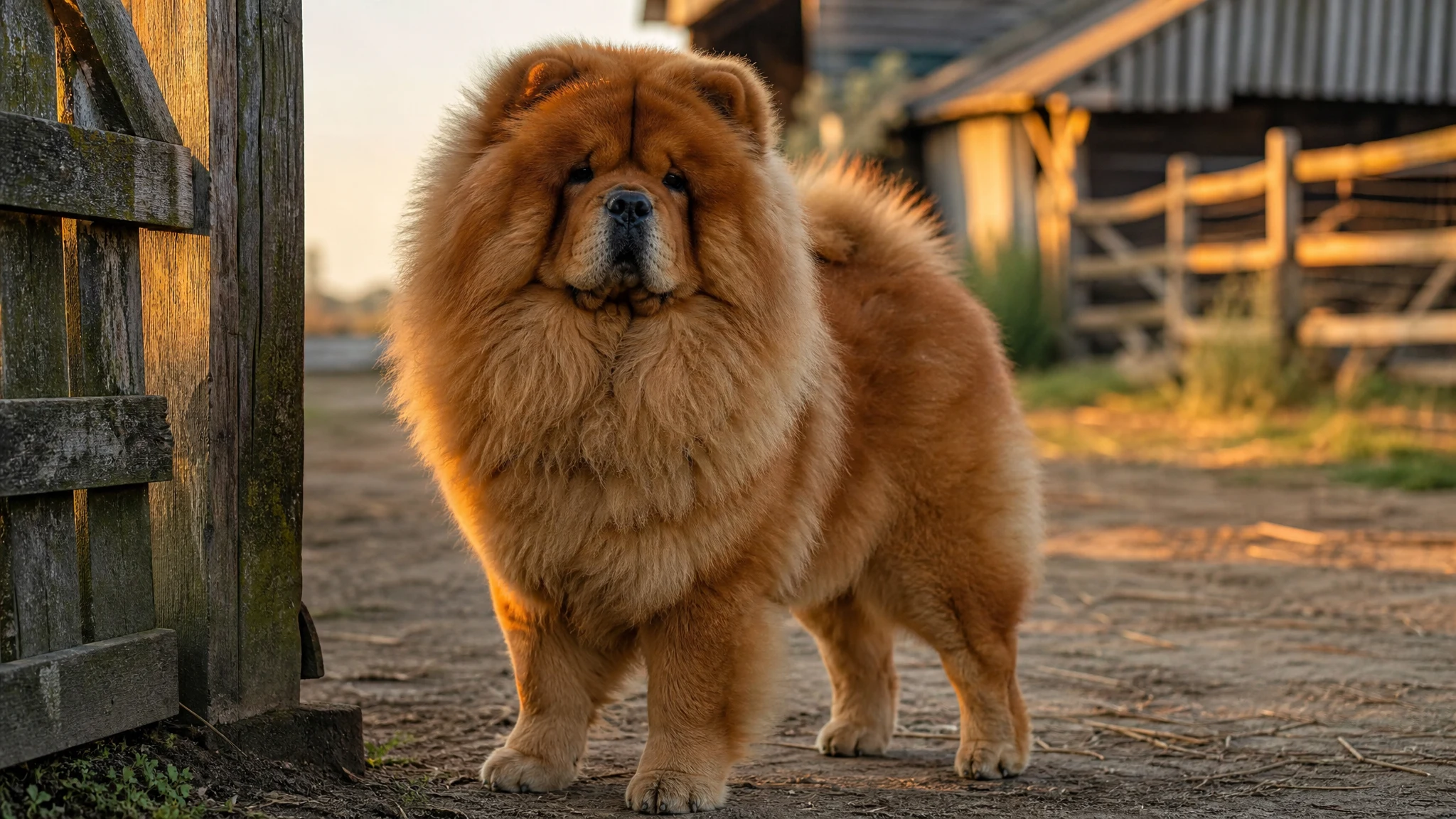
Chow Chow Training Guides
Practical, reward-based guidance for the questions new Chow Chow owners ask most, from puppy socialization to everyday manners.
Puppy
From the first night home to adolescence: a Chow Chow puppy's training.
Training basics
Potty, crate and leash training, written for Chow Chows.
Behavior
The Chow Chow problems owners ask about most, and the instincts behind them.
Exercise and jobs
How much a Chow Chow needs to do, and the sports and work the breed was made for.
What Chow Chows do
Sports and work the breed is known for. source
The Chow Chow at a glance
From the AKC breed page and the national breed club, as they state it.
| AKC group | Non-Sporting Group source |
| Origin | Northern China, more than 2,000 years ago source |
| Bred for | Working dogs for hunting, guarding, and pulling carts source |
| Height | 17-20 inches source |
| Weight | 45-70 lbs source |
| Life expectancy | 8-12 years source |
| Energy | Moderate energy levels; enjoy daily walks but not overly active or playful (Canine Bible wording, not AKC's 1-5 rating) source |
| Trainability | Stubborn; needs experienced, consistent training with firm boundaries (Canine Bible wording, not AKC's rating) source |
| Barking | Not overly vocal but will bark to alert or if they sense a threat source |
| With children | Better with older children who understand boundaries; can be aloof source |
| With other dogs | May be reserved or dominant with other dogs; early socialization is key source |
| Shedding | Heavy seasonal shedders with a thick double coat needing frequent brushing source |
| Temperament | Independent of spirit and standoffish with strangers; loyal to family, usually bond with one favorite person, protective and territorial. Canine Bible: dignified and independent, calm but can be aloof and strong-willed. source |
Chow Chow health screening
Tests the breed's club and OFA recommend for breeding dogs. Ask a breeder for results.
| Recommended screens | Hip (OFA), Elbow (OFA), Patella (OFA), Thyroid (OFA), Cardiac (OFA), CERF (eye), CHIC source |
| Health issues the club notes | hip dysplasia, elbow dysplasia, gastric torsion, elongated palate, eye disorders such as glaucoma and cataracts, patellar luxation, entropion, hypothyroidism source |
| National breed club | The Chow Chow Club, Inc. (AKC-recognized national breed club) - https://chowclub.org/ccci/ source |
Chow Chow Training Questions Answered
Are Chow Chows hard to train?
Canine Bible describes the breed as stubborn, needing experienced, consistent training with firm boundaries. Orvis calls Chows intelligent but highly independent, and recommends patience and positive methods. Firm here means clear and predictable, never harsh. Reward what you like, keep sessions short, and remember individual dogs vary.
When should Chow Chow socialization start?
The Chow Chow Club's welfare article says training starts the day the dog comes home and that socialization before 12 to 16 weeks matters, with a second fear period at 6 to 8 months. Ask your breeder or veterinarian how to introduce new people and places safely at your puppy's age.
Is a group class right for a Chow Chow?
The Chow Chow Club's welfare article warns that serious problems such as aggression are not for group classes. A group class can suit basic manners and socialization, but if your dog shows aggression, talk with your veterinarian about a qualified, reward-based professional rather than a crowded room.
How much exercise does a Chow Chow need?
Orvis says Chows need no vigorous exercise but about an hour of moderate activity daily, and that they tire quickly and heat can be a problem. Plan walks for cooler parts of the day, and ask your veterinarian about heat safety for your dog. Canine Bible calls their energy moderate.
What activities suit a Chow Chow?
The Chow Chow Club lists obedience, rally, agility, Barn Hunt, Trick Dog, Canine Good Citizen and tracking for the breed. Tricks and CGC are friendly starting points for building focus. For health screening questions, the club's Chow Health page records hip, elbow, patella, thyroid, cardiac and eye results.
General training information. Every dog is an individual; for health or behavior concerns, see your veterinarian.