How to Train a Chow Chow: The Complete Guide
General training information. Every dog is an individual; for health or behavior concerns, see your veterinarian.
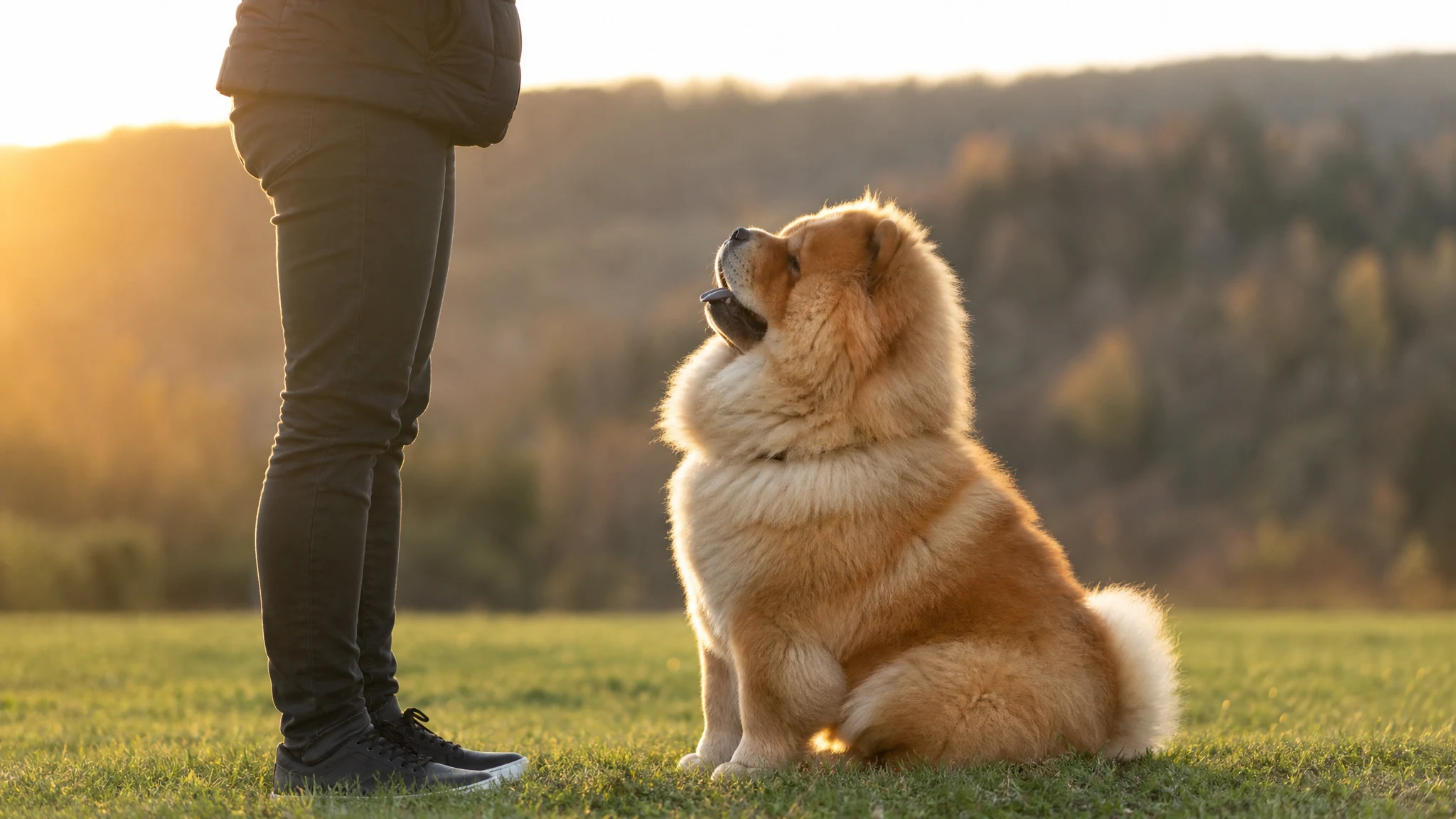
Chow Chow training rewards patience, consistency and a good sense of humor. This is a dignified, independent dog with a lion's mane and a mind of its own. Owners who enjoy that character often love the breed deeply. Owners who expect a dog that lives to please can be frustrated.
This guide covers how to train a Chow Chow from the first day home through adulthood. It explains what the breed was developed to do and how that shapes your plan, which stages to expect, which kinds of motivation work, how much exercise and mental work to offer, and which challenges to prepare for.
Every dog is an individual. Where this guide describes the breed, it relies on breed sources and says which ones. Treat those descriptions as tendencies, not promises.
Key takeaways
- The Chow Chow descends from working dogs of northern China. Hunting, guarding and cart pulling are the original jobs, and they help explain the independence owners see today.
- Breed sources describe the Chow Chow as intelligent but stubborn, standoffish with strangers and loyal to family. Plan for an experienced, consistent, positive approach.
- The Chow Chow Club says training starts the day the dog comes home. It also stresses socialization before 12 to 16 weeks, and notes a second fear period at 6 to 8 months.
- Reward-based training fits this breed. Force, harsh corrections and confrontation are not part of a humane plan.
- Orvis describes about an hour of moderate exercise a day. Heat can be a problem, so keep activity gentle and plan for weather.
- Serious problems such as aggression are not for group classes, according to the Chow Chow Club. Call a veterinarian and a qualified, reward-based professional early.
In this guide
- What the Chow Chow Was Bred For, and Why It Matters
- Training Stages: Puppy to Adult
- Motivation That Works for a Chow Chow
- Core Skills to Teach
- Exercise and Mental Work
- Challenges to Plan For
- Sports, Next Steps and Getting Help
What the Chow Chow Was Bred For, and Why It Matters
Good Chow Chow training starts with understanding the dog you have. Behavior that looks like defiance often makes more sense once you know where the breed came from.
Roots in northern China
The Canine Bible breed page says the Chow Chow originated in northern China more than 2,000 years ago. It describes the dogs as working animals used for hunting, guarding and pulling carts. The same page places the breed in the Non-Sporting Group.
None of those jobs asks a dog to wait for instructions every few seconds. A guard dog watches and decides. A hunting dog makes judgment calls away from its person. A cart dog works steadily. It is reasonable to think that independence has roots in that history, though no source can say how it shows up in any one dog.
Temperament in plain words
Orvis describes the Chow Chow as independent of spirit and standoffish with strangers. It adds that they are loyal to family, often bond most closely with one favorite person, and can be protective and territorial. The Canine Bible calls the breed dignified and independent, calm but sometimes aloof and strong-willed.
Those words shape the training plan in four ways:
- Independence means you must make cooperation worth the dog's while.
- Standoffishness with strangers means early, careful socialization matters a great deal.
- Protectiveness and territory mean you manage doors, fences and visitors on purpose.
- One favorite person means the rest of the household still needs to be part of training, so the dog learns to listen to everyone.
What the sources say about trainability
The Canine Bible describes the breed as stubborn and in need of experienced, consistent training with firm boundaries. Orvis calls the Chow Chow intelligent but highly independent and stubborn, and says it needs patience, consistency, positive methods and an experienced owner.
Notice the pairing of "firm boundaries" with "positive methods." Boundaries are about clear, predictable rules. They are not about force. You can be very consistent about what is allowed and still teach everything with food, praise and patience.
Note that these are secondary breed descriptions, not AKC ratings. For the most current official breed information, check the Chow Chow Club and the AKC.
Size and lifespan
The Canine Bible lists a height of 17 to 20 inches, a weight of 45 to 70 pounds and a life expectancy of 8 to 12 years. Orvis gives the same size ranges. Sources can differ on lifespan: the Royal Kennel Club in the UK says under 10 years. Ask your veterinarian what to expect for your own dog.
A sturdy dog of that size is easy to teach manners to as a puppy and much harder to manage if manners are skipped. Teach now what you will want when the dog is full grown.
Training Stages: Puppy to Adult
The Chow Chow Club welfare committee article "Please Train Your Chow" makes a point worth remembering: training starts the day the dog comes home. There is no waiting period before learning begins. The dog is already learning what the house is like and what behavior pays off.
Specific developmental timelines beyond what the club states are not something this guide will invent. If you want a week-by-week schedule, ask your veterinarian and review the club's own articles. What follows is a practical framework.
Stage 1: The first days and weeks at home
Focus on routine and safety. Set up a predictable schedule for meals, potty breaks, naps and play. Use a crate or pen as a calm, comfortable place, never as punishment. Teach the puppy its name, to come toward you for treats and to enjoy being handled.
Start small habits right away. Reward the puppy for sitting politely before meals and before going through doors. It sets up good manners without any confrontation.
Stage 2: The socialization window
The Chow Chow Club stresses socialization before 12 to 16 weeks. For a breed described as standoffish with strangers, this period deserves your best effort.
Good socialization is not the same as flooding the puppy with strangers. The goal is positive, low-pressure exposure. Think about:
- Different people, calmly met, with the puppy free to approach or watch
- Varied surfaces, sounds, car rides and gentle handling
- Short, successful outings, ending before the puppy gets overwhelmed
- Treats paired with new things, so the world predicts good outcomes
Ask your veterinarian which places are safe before the puppy's vaccinations are complete. Many owners work around this by carrying the puppy, inviting healthy, vaccinated visitors over, and choosing quiet outings.
The Canine Bible notes that the breed is better with older children who understand boundaries, and can be aloof. Supervise all child and puppy contact, and teach children to let the dog approach.
Stage 3: Adolescence and the second fear period
The club article describes a second fear period at 6 to 8 months. If your young dog suddenly shows worry about things that were fine last month, do not push and do not scold. Keep experiences gentle, reward calm behavior, and let the dog move away from what scares it.
This is also the age when many owners find that early obedience seems to fade. Keep practicing. Go back a step in difficulty, use better rewards and keep sessions short and upbeat. Adolescence is a phase, and consistency carries you through it.
Stage 4: Young adulthood
As your dog matures, the protective and territorial side that breed sources describe may become more noticeable. Keep socializing. Keep rewarding calm greetings and polite behavior around visitors. Do not assume that a well-socialized puppy needs no further work.
Stage 5: Adult and senior years
Adult training is mostly maintenance and enrichment. Keep practicing the basics in new places, keep teaching new skills, and adjust the physical work as your dog ages. Discuss exercise changes with your veterinarian, especially if you notice stiffness or slowing down.
Motivation That Works for a Chow Chow
Chow Chow training tips often come down to one idea: find what your dog values, then make it available only for the behavior you want.
Why reward-based training fits
This guide follows the humane, reward-based approach supported by the American Veterinary Society of Animal Behavior (AVSAB). Orvis also recommends positive methods for the breed. Reward-based training builds a dog that chooses cooperation because it works.
Equally important is what to avoid. Shock, prong and choke collars, alpha rolls, scruffing and any attempt to dominate the dog are not part of this plan. Hard handling is especially risky with a protective, territorial breed because it can create fear and defensive behavior. A dog that is stubborn needs clearer teaching, not harsher treatment.
Find your dog's currency
Not every Chow Chow will work for the same thing. Try several options and watch how your dog responds:
- Food: small, soft, smelly treats the dog can swallow quickly. Use part of the daily meal if weight is a concern, and ask your veterinarian about portions.
- Calm praise and touch: some dogs of this breed may prefer quiet attention from a favorite person over excited cheering.
- Access: a sniff, a step toward the yard, a spot on the couch. Life rewards cost nothing and are used all day.
- Toys and games: useful if your dog enjoys them. Orvis and the Canine Bible describe the breed as not overly playful, so do not count on this one.
Make sessions short and clear
An independent dog loses interest in drilling. Keep sessions to a few minutes, end while the dog is still engaged, and stop before frustration sets in. Several short sessions through the day beat one long one.
Reward quickly, within a second or two of the right behavior. A marker word or clicker can help you pinpoint exactly what earned the treat.
Be consistent as a household
Firm boundaries come from everyone following the same rules. If one person allows the couch and another does not, the dog learns that rules depend on who is watching. Agree on the rules, the cues and the rewards before the dog arrives.
Respect the dog's signals
A standoffish breed often shows discomfort with stillness, turning away or stiffening. Learn those signals. If your dog avoids a person or a situation, create distance and reward calm. Never force interaction.
Core Skills to Teach
These are the foundations of any good Chow Chow training plan. Teach each one in a quiet place first, then add distractions slowly.
Name, attention and "come"
Say the name, and reward the moment the dog looks at you. Then teach coming when called with a happy voice and a great reward. Never call the dog to you for something unpleasant. For an independent dog, the recall must always pay well.
Practice on a long line in safe areas. Because this breed was a hunting and guarding dog historically, trust but verify: do not assume your dog will come back reliably in an open area unless it has proven it, and check local leash laws with your city or county.
Sit, down and settle
Teach sit and down with food lures, then fade the lure. Add a "settle" on a mat. A dog that can relax on cue is far easier to live with, and the breed is often described as calm, which helps.
Loose-leash walking
Use a flat collar or a well-fitted harness and reward the dog for staying near you. Stop when the leash tightens, and move on when it slackens. Do not jerk the leash. Do not use prong, choke or shock tools.
Handling and grooming
Orvis describes heavy seasonal shedding from a thick double coat that needs frequent brushing. That means grooming is a lifelong routine, so teach the dog to enjoy it. Pair brushes, nail tools and ear checks with treats. Touch paws, ears, mouth and tail briefly, then reward.
Handling practice also makes veterinary exams easier. Ask your vet or groomer for help if the dog resists.
Polite greetings and door manners
Because breed sources describe the Chow Chow as protective and territorial, teach a calm routine for visitors. Many owners find it helpful to:
- Teach a "go to your mat" cue for when the doorbell rings
- Reward the dog for staying calm while the door opens
- Let the dog watch from a distance with treats, rather than meeting every guest
- Use a gate or a separate room when the dog is not ready
Do not force strangers on the dog. Let the dog set the pace.
Barking
The Canine Bible says the breed is not overly vocal but will bark to alert or if it senses a threat. Thank the dog for the alert, then cue a quiet behavior and reward it. Teaching a calm response works better than punishing the bark.
Exercise and Mental Work
How much exercise
Orvis says the Chow Chow does not need vigorous exercise but benefits from about an hour of moderate exercise a day. The Canine Bible agrees on moderate energy and says the breed enjoys daily walks without being overly active.
Keep this in mind for puppies and young dogs. Ask your veterinarian how much exercise is right for growing joints, especially since hip and elbow dysplasia appear on breed health lists. Avoid repetitive hard impact while your puppy is growing.
Heat is a real concern
Orvis notes that Chow Chows tire quickly and heat can be a problem. With a thick double coat, take it seriously. Walk early or late in hot weather, bring water, choose shade and cool floors, and end outings at the first sign of heavy panting or slowing down. Never leave a dog in a parked car.
If you are worried about overheating, call your veterinarian right away. This guide cannot diagnose a dog.
Mental work counts too
A dog that does not need a hard run still needs something to think about. Ideas include:
- Scent games such as hiding treats around a room
- Food puzzles and snuffle mats
- Learning new tricks in short sessions
- Practicing known cues in new places
- Calm exploration walks where the dog can sniff
Mental work tires a dog in a gentle way, which suits a breed that tires quickly on its own.
Health and training
Orvis lists several health concerns for the breed, including hip dysplasia, elbow dysplasia, gastric torsion, elongated palate, eye disorders such as glaucoma and cataracts, patellar luxation, entropion and hypothyroidism. The Canine Bible lists several of the same. A dog in pain may resist handling, avoid stairs or snap when touched, and that can look like stubbornness.
If your dog's behavior changes suddenly, see your veterinarian first. Never try to treat or medicate a dog yourself.
If you are choosing a puppy, the Chow Chow Club's health pages list the certifications its pedigree database records: OFA hip, elbow, patella, thyroid and cardiac, plus CERF eye and CHIC. Ask any breeder which results they have and check with the club or OFA for current requirements.
Challenges to Plan For
The Chow Chow Club welfare committee lists the breed's known challenges as stubbornness and independence, standoffishness with strangers, protective and territorial behavior, possible dominance with other dogs, heat sensitivity and heavy shedding. Here is how to plan for each one humanely.
| Challenge | Humane planning approach |
|---|---|
| Stubbornness and independence | Short sessions, high-value rewards, clear rules, patience |
| Standoffish with strangers | Early positive socialization, let the dog set the pace, no forced greetings |
| Protective and territorial | Manage doors and fences, teach a mat routine, reward calm |
| Reserved or pushy with other dogs | Early socialization, controlled introductions, distance when needed |
| Heat sensitivity | Cool-hour walks, shade, water, shorter outings |
| Heavy shedding | Frequent brushing, handling practice from puppyhood |
Stubbornness
When the dog ignores a cue, ask yourself three questions. Is the cue well taught here? Is the reward good enough? Are there too many distractions? Usually one of the three needs fixing. Make it easier, then build back up.
Strangers and guests
Standoffishness is a tendency, not a flaw. Respect it. Give the dog space, reward calm observation and avoid putting the dog in situations where it must tolerate unwanted touch. This matters most around children and visitors.
Other dogs
The Canine Bible says the breed may be reserved or dominant with other dogs and that early socialization is key. Choose calm, well-matched dog friends. Keep early meetings brief and on neutral ground. Watch body language and separate dogs before tension builds. Avoid crowded dog parks if your dog shows discomfort.
Protectiveness
Protective behavior can grow if the dog practices it. Prevent rehearsal where you can: use window film, fence screening or gates to limit the dog's chances to lunge and bark. Meanwhile, reward calm choices.
When it is more than a training issue
The Chow Chow Club warns that serious problems such as aggression are not for group classes. If your dog growls, snaps, guards objects or lunges at people or dogs, do not try to correct it with punishment. Talk to your veterinarian to rule out pain or illness, then ask about a qualified professional who uses reward-based methods. The AVSAB position on humane training is a good standard to hold any trainer to.
Be honest about fit
Breed sources repeatedly say this dog suits an experienced, patient owner. If you are new to dogs, that does not rule you out, but plan for professional help early, read widely and start socialization immediately.
Sports, Next Steps and Getting Help
Activities that suit the breed
The Chow Chow Club Obedience/Performance page lists these dog sports and activities for the breed: Obedience, Rally, Agility, Barn Hunt, Trick Dog, Canine Good Citizen (CGC) and Tracking.
You do not need to compete. Trick Dog and CGC work well as home goals because they give structure to your training. Tracking and Barn Hunt use the nose, which can suit a dog that does not need hard running. Because the breed tires quickly and heat can be an issue, choose activities and weather with care, and check with your veterinarian before starting anything strenuous.
Choosing a class or trainer
Look for classes that use treats, praise and play, and that welcome questions. Watch a class first. If a trainer recommends shock, prong or choke collars, alpha rolls or dominance, walk away. Your dog should look relaxed and engaged in a good class.
Because the breed can be standoffish, a small class or private lesson may be a better start than a busy room. Check with the Chow Chow Club about breed-experienced help in your region.
A simple starting plan
- Set household rules and agree on cues.
- Start a daily routine of short, rewarded training sessions.
- Build a socialization list and work through it kindly.
- Practice handling and brushing a little each day.
- Walk in the cool hours and add scent games.
- Check in with your veterinarian about health, growth and exercise.
- Call a reward-based professional early if anything worries you.
Final thoughts
The Chow Chow is not the easiest breed to train, and good sources say so plainly. It is also a loyal, dignified dog that bonds deeply with its family. Meet it with calm consistency, generous rewards and respect for its nature, and you give yourself the best chance of a well-mannered companion.
Sources
- The Chow Chow Club, Inc., the AKC-recognized national breed club
- Chow Chow Club welfare committee: "Please Train Your Chow"
- The Chow Chow Club: Obedience/Performance
- The Chow Chow Club: About Chow Health
- Orvis: Chow Chow breed page
- Canine Bible: Chow Chow breed page
- The Royal Kennel Club (UK): Chow Chow