Chow Chow Puppy Training Timeline: 8 Weeks to 2 Years
General training information. Every dog is an individual; for health or behavior concerns, see your veterinarian.
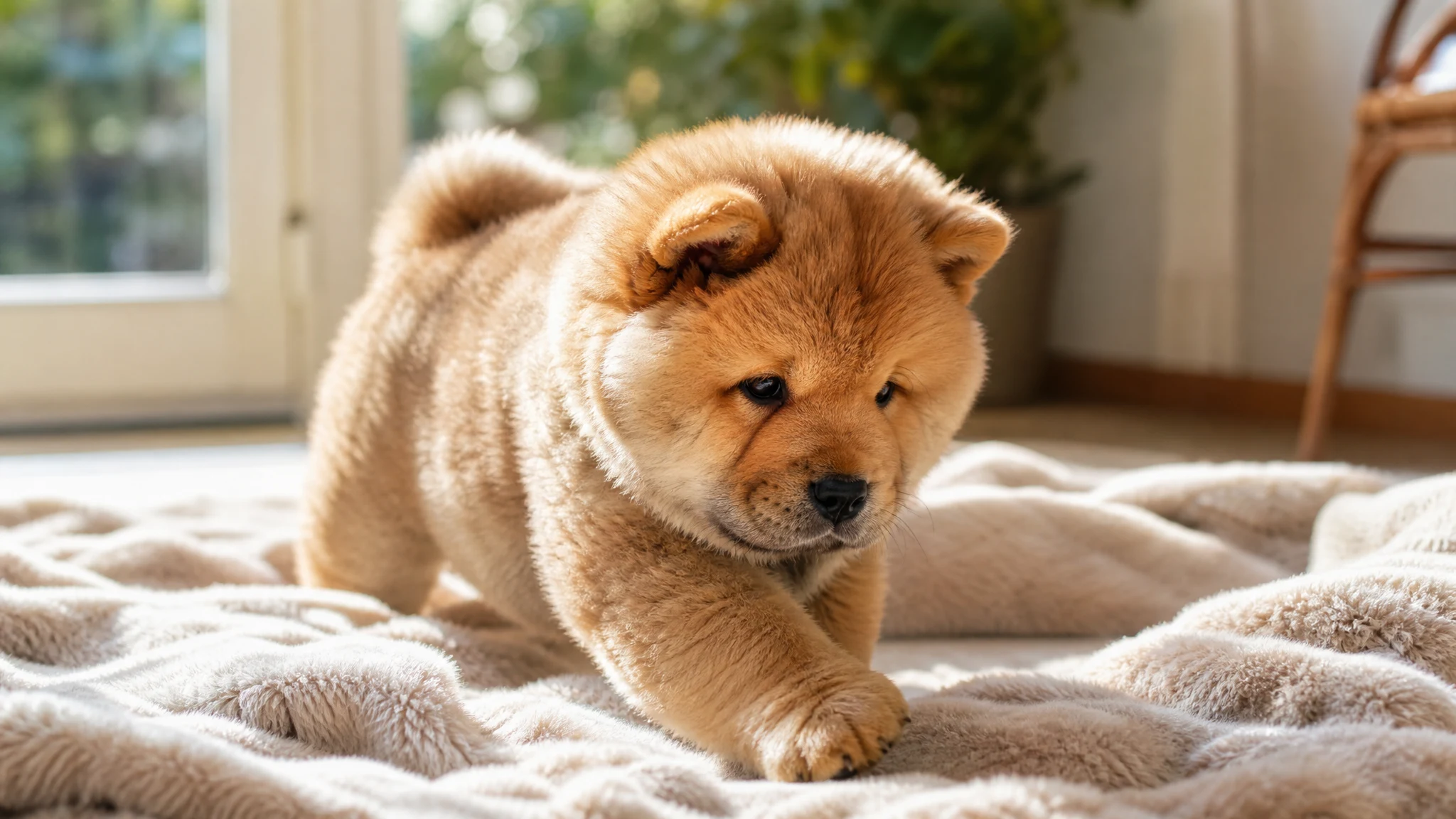
A Chow Chow puppy looks like a teddy bear and thinks like a small, dignified landlord. That mix is a big part of why Chow Chow puppy training works best when it is planned. This guide walks through a Chow Chow puppy training schedule from the day your puppy comes home to the second birthday, with practical Chow Chow puppy training tips for each stage.
One honest note up front. Individual dogs vary, and no calendar fits every puppy. Treat the ages below as a map, not a deadline.
Key Takeaways
- The Chow Chow Club's welfare article says training starts the day the dog comes home, and that socialization before 12 to 16 weeks matters.
- The same article describes a second fear period at about 6 to 8 months. Plan calm, positive experiences for that window.
- Canine Bible describes the breed as stubborn and in need of experienced, consistent training with firm boundaries. Firm here means clear and predictable, never harsh.
- Use reward-based methods only, in line with the American Veterinary Society of Animal Behavior (AVSAB).
- Orvis notes about an hour of moderate exercise a day, that Chows tire quickly, and that heat can be a problem.
- Serious problems such as aggression are not for group classes, according to the Chow Chow Club. Get individual help early.
In this guide
- Know the Chow Chow puppy before you plan
- Weeks 8 to 16: the socialization window
- Months 4 to 6: building real habits
- Months 6 to 12: adolescence
- Months 12 to 24: toward maturity
- Skills that run through every stage
- Sources
Know the Chow Chow Puppy Before You Plan
Good training matches the dog you actually have. Here is what the breed sources say, and what they do not.
Temperament in plain words
Orvis describes the Chow Chow as independent of spirit and standoffish with strangers. They are loyal to family, often bond with one favorite person, and can be protective and territorial. Canine Bible calls them dignified and independent, calm but sometimes aloof and strong-willed.
Canine Bible also says they are not overly vocal but will bark to alert you or if they sense a threat. It says they can be reserved or dominant with other dogs, which is why it stresses early socialization. For children, it says they tend to do better with older kids who understand boundaries.
What that means for your plan
An independent dog does not work for approval the way some breeds do. Your job is to make cooperation worth their while. Short sessions, small rewards and a calm, steady tone beat long drills.
Orvis calls the breed intelligent but highly independent and stubborn. It says they need patience, consistency, positive methods and an experienced owner. If this is your first dog, plan for professional guidance from the start. Choose a trainer who uses reward-based methods and ask what tools they use before you book.
Size and lifespan
Canine Bible and Orvis list a height of 17 to 20 inches and a weight of 45 to 70 pounds. Canine Bible gives a life expectancy of 8 to 12 years. The Royal Kennel Club in the UK says under 10 years, so ask your vet and your breeder what to expect for your own dog.
What we cannot tell you
We do not have a reliable breed source for the exact week-by-week pace of Chow Chow puppy development, including how slowly the breed matures. The ages below lean on the Chow Chow Club's guidance where it exists and on general reward-based practice elsewhere. Ask your breeder, your vet and the Chow Chow Club about what to expect from your puppy's line.
Weeks 8 to 16: The Socialization Window
This is the stage the Chow Chow Club cares about most. Its welfare article says training starts the day the dog comes home and that socialization before 12 to 16 weeks matters. For a breed that is standoffish with strangers, that is the window to take seriously.
Socialization without overwhelm
Socialization means pleasant, controlled exposure, not a flood of people. Aim for variety at a pace your puppy can handle.
- Meet calm adults, including people of different ages, who let the puppy approach on its own terms.
- Hear everyday sounds such as the vacuum, doorbell, traffic and dropped pans, at low volume first.
- Walk on different surfaces: grass, tile, gravel, a wooden deck.
- Ride in the car for short, positive trips.
- Meet friendly, vaccinated, well-mannered dogs in a controlled setting.
Pair each new thing with a treat or a calm moment. If your puppy freezes, backs away or hides, give distance and let it recover. Never force an approach. A fearful puppy forced to cope learns that new things are dangerous.
Ask your vet which places are safe before vaccinations are complete. Your vet knows local disease risks and can tell you when puppy classes and outings are appropriate.
Strangers and visitors
Because adult Chows can be protective and territorial, practice visitors early. Have guests ignore the puppy at first, then toss a treat on the floor near them. Do not ask guests to grab or hug the puppy. The goal is a dog who sees new people as predictable and unremarkable.
Starting house training
House training begins on day one. The method is the same for most breeds.
- Take the puppy out on a regular rhythm: after waking, after meals, after play and before bed.
- Go to the same spot and wait quietly.
- Reward right after the puppy finishes, not when it comes back inside.
- Supervise closely indoors. Use a crate, pen or gate when you cannot watch.
- Clean accidents with an enzyme cleaner and skip the scolding.
Puppies cannot hold it for long, so expect many trips. Ask your vet if the pace of accidents seems off, since urinary or digestive problems can look like a training issue.
Bite inhibition
All puppies mouth. Teaching a soft mouth is part of the work, and it matters more when the dog will grow into a protective adult.
- When teeth touch skin, stop play and go quiet for a few seconds.
- Hand over a chew toy and praise when the puppy takes it.
- Resume play when the mouth is gentle.
- If the puppy gets wild and frantic, end the game and offer a rest in the pen.
Skip the old tricks of holding the muzzle shut, scruffing or pinning. AVSAB opposes dominance-based methods, and they can make a puppy fearful or defensive.
First cues and handling
Keep sessions to a couple of minutes. Teach name response, sit, a hand target and coming when called. Practice gentle handling daily: touch paws, ears, mouth and tail base, then reward. A thick double coat means lots of grooming later, so a puppy that accepts a brush is a gift to your future self.
Months 4 to 6: Building Real Habits
The puppy is more mobile, more curious and often more opinionated. This is where the breed's independent streak starts to show.
Chow Chow puppy training tips for this stage
- Make good behavior pay. Reward sits, calm greetings and checking in with you on walks.
- Be predictable. Everyone in the house uses the same cues and the same rules. Mixed messages feed stubbornness.
- Use food and favorite things. A bored Chow may simply walk away from the lesson. Find rewards worth working for.
- End on a win. Stop while the puppy is still willing.
House training consolidates
Accidents usually become less frequent as bladder control improves, but keep supervising. Extend freedom in the house a room at a time. If regression happens, go back to a tighter schedule rather than punishing.
Leash manners
Start loose-leash walking with a flat collar or a well-fitted harness. Reward the puppy for staying near you and stop moving when the leash tightens. Do not use shock, prong or choke collars. They are not part of humane training and they can create fear, which is a poor match for a wary, protective breed.
Continue socialization
The 12 to 16 week window may have closed, but the work has not. Keep exposing your puppy to new people, places and sounds, always keeping things positive. Chow Chow Club guidance and Canine Bible both point to early, continued socialization as key for a breed that can be reserved with strangers and other dogs.
Exercise and joint care
Orvis says Chows do not need vigorous exercise but benefit from about an hour of moderate exercise daily, and that they tire quickly. For a growing puppy, that is an upper picture, not a target. Keep walks short and relaxed, and avoid hard running, repeated jumping and forced long distances.
The Chow Chow Club's health committee records hip, elbow and patella results, among others, and Orvis lists hip dysplasia, elbow dysplasia and patellar luxation among the breed's health concerns. Ask your vet how much and what kind of exercise suits your puppy's joints at each age. Do not rely on guesses about the right amount.
Heat
Orvis notes that heat can be a problem for the breed. Train in the cool parts of the day, bring water, and stop when the puppy pants hard or slows down. Training can be indoors on hot days.
Months 6 to 12: Adolescence
Adolescence is where many owners wobble. The sweet puppy seems to forget everything. That is normal, and it is not a sign that you have failed.
The second fear period
The Chow Chow Club welfare article describes a second fear period at about 6 to 8 months. A puppy who was fine with strangers last week may suddenly bark at a mailbox, a hat or a person on the sidewalk.
How to handle it:
- Give the puppy distance from the scary thing and let it look from there.
- Reward calm behavior, even tiny moments of it.
- Do not push, drag or comfort in a frantic way. Stay relaxed and matter-of-fact.
- Skip big new experiences until the puppy settles.
A breed that is protective and standoffish by nature needs a careful approach here. If your puppy lunges, growls or snaps, call a qualified, reward-based trainer or a veterinary behaviorist instead of waiting. The Chow Chow Club warns that serious problems such as aggression are not for group classes.
Testing boundaries
Expect selective hearing. Your puppy will know sit and may decide not to bother. Keep rules simple and consistent, make the right choice easy, and make the wrong choice dull. Use management too: a long line outdoors, gates indoors, and no off-leash time in unfenced places.
Other dogs
Canine Bible says Chows may be reserved or dominant with other dogs. Do not assume every dog park visit will go well. Many owners find that structured, calm meetings with known dogs work better than free-for-all play. Watch body language, and leave early if things get tense.
Household manners
Teach settling on a mat, waiting at doors and leaving things alone. These are practical skills for a dog that may later be guarding the house. A relaxed puppy that can chill on a bed is easier to live with than one on constant alert.
Coat and grooming
Orvis describes heavy seasonal shedding and a thick double coat that needs frequent brushing. Keep handling practice going, and make brushing a calm, rewarded routine. Ask your groomer or vet about coat care that suits your dog.
Health checkpoints
Talk with your vet about spay or neuter timing, joint health and growth. Timing decisions can affect joints and behavior, and the right answer depends on the individual dog. Your vet is the right person to guide it. The Chow Chow Club's health committee page is also a useful read for owners and breeders.
Months 12 to 24: Toward Maturity
We do not have a reliable breed source for when a Chow Chow reaches full emotional maturity, so check with your breeder and the Chow Chow Club. What many owners notice is that the second year brings steadier behavior if the first year was handled consistently. Do not assume the work is over at a year.
Polishing the basics
Return to the cues you taught as a puppy and practice them in harder places: near a quiet street, at a friend's house, outside a pet store entrance. Raise difficulty slowly. Keep rewards coming for reliable behavior, then thin them out gradually and use real-life rewards like a sniff, a walk forward or a toy.
Possible dog sports and jobs
The Chow Chow Club's Obedience and Performance page lists Obedience, Rally, Agility, Barn Hunt, Trick Dog, Canine Good Citizen (CGC) and Tracking as activities for the breed. These give an independent dog a structured way to work with you. Remember that Orvis says Chows tire quickly and that heat can be a problem, so choose activities and times of day with that in mind.
CGC and Trick Dog are good starting points because they reward calm manners and clear communication. Check the sport's current rules and age limits with the organizing club before you enter.
Protectiveness and territory
An adult Chow may become more watchful at home. Keep up controlled visitor practice, reward calm greetings, and manage the environment. For example, close the gate before the delivery driver arrives or use a pen when guests come over. If guarding behavior grows into aggression, get hands-on, reward-based professional help rather than trying to push through on your own.
Adult exercise
Per Orvis, about an hour of moderate daily exercise suits the breed. Because heat is a concern, shift walks to early morning or evening in warm weather and keep water handy. Ask your vet about conditioning and joint support as your dog grows into adulthood.
Health and lifelong vigilance
Orvis lists gastric torsion, elongated palate, eye disorders such as glaucoma and cataracts, entropion and hypothyroidism among the breed's health concerns, in addition to joint problems. Any sudden change in behavior, appetite, breathing or comfort deserves a vet visit before you assume it is a training problem. We cannot diagnose your dog, and we do not give medication or supplement guidance.
Skills That Run Through Every Stage
A sample Chow Chow puppy training schedule
| Age | Main focus | Watch for |
|---|---|---|
| 8 to 16 weeks | Positive socialization, house training, soft mouth, handling, first cues | Overwhelm, fear, too many strangers at once |
| 4 to 6 months | Leash manners, consistent rules, longer focus, continued socialization | Selective hearing, heat, too much exercise for growing joints |
| 6 to 12 months | Second fear period, boundaries, settling, controlled dog meetings | Sudden fear, barking, reactivity toward dogs or strangers |
| 12 to 24 months | Proofing, sports, steady routines, protectiveness management | Territorial behavior, changes that need a vet visit |
The ages are guideposts. Move at your puppy's pace, and go back a step whenever it struggles.
Daily rhythm that works
- Two or three tiny training sessions a day, a few minutes each.
- One moderate walk or play session suited to the puppy's age and the weather.
- Plenty of rest. Tired puppies get cranky and mouthy.
- One daily grooming or handling practice.
- One quiet chew or puzzle for independent time.
Common mistakes
- Skipping socialization because the puppy is shy. Shy puppies need gentle, careful exposure more, not less.
- Using harsh corrections. Reward-based training is the standard AVSAB supports. Force can push a wary breed toward defensiveness.
- Over-exercising a growing puppy. Ask your vet about joints and activity.
- Training in the heat. Orvis flags heat as a problem for the breed.
- Waiting too long to get help. Early guidance is easier than fixing a pattern.
When to get professional help
Call a reward-based trainer or veterinary behaviorist if your puppy growls, snaps, guards food or toys, or reacts strongly to people or dogs. The Chow Chow Club says serious problems such as aggression are not for group classes, so look for individual help. Check a trainer's methods before you hire them, and walk away from anyone who recommends shock, prong or choke collars, alpha rolls or dominance tactics.
Good Chow Chow puppy training is patient work. A consistent plan, a calm voice and a lot of small rewards go a long way with a dog this independent. Enjoy the process, and give the breed the time it needs.