How to Potty Train a Chow Chow Puppy
General training information. Every dog is an individual; for health or behavior concerns, see your veterinarian.
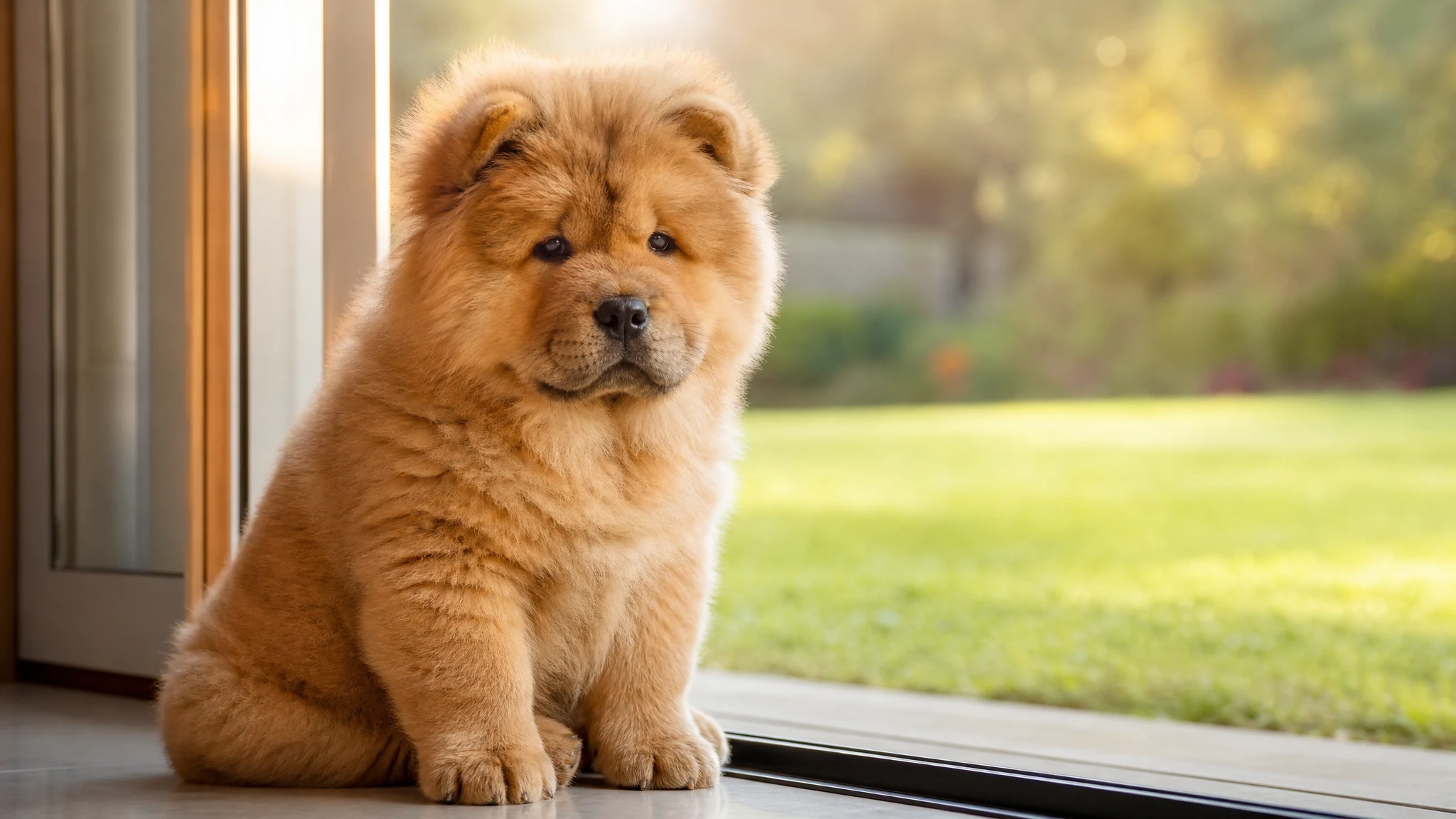
A Chow Chow puppy looks like a teddy bear and can think like a tiny, dignified landlord. That matters for house training. This breed does not do things just to please you. It does things that make sense to it, and your job is to make the right choice the easy and rewarding one.
This guide covers how to potty train a Chow Chow with a clear schedule, a crate, calm handling of accidents, and realistic expectations. Chow Chow potty training is mostly about management and consistency, not about firmness or force.
What to Know About the Breed First
The Canine Bible breed page describes the Chow Chow as stubborn, and says the breed needs experienced, consistent training with firm boundaries. Orvis calls the breed intelligent but highly independent, and says it responds to patience, consistency and positive methods. Both can be true at once. Firm boundaries here means clear, predictable routines. It does not mean harsh corrections.
The Canine Bible lists an adult Chow Chow at roughly 45 to 70 pounds and 17 to 20 inches tall. That is a lot of dog to clean up after if bad habits set in, so it pays to build good ones early. Individual dogs vary, and some puppies pick this up faster than others.
The Chow Chow Club, Inc. says in its welfare committee article "Please Train Your Chow" that training starts the day the dog comes home. The same article stresses socialization before 12 to 16 weeks, and mentions a second fear period at 6 to 8 months. Keep both in mind. A scary potty trip, or a frightening experience outside, can set you back during those windows.
No source I could point to gives a breed-specific bladder timeline for Chow Chow puppies. Ask your veterinarian or your breeder how long your own puppy can reasonably wait at its age.
Materials You Will Need
- A crate sized so the puppy can stand, turn around and lie down. Chows grow into mid-sized dogs, so look for one with a divider you can move as your puppy grows.
- Small, soft treats your puppy loves. Use something special that is only for potty rewards.
- A leash and a flat collar or harness for every trip outside. Avoid prong, choke and shock collars. They do not belong in house training or anywhere else in a humane program.
- An enzymatic cleaner made for pet messes. Check the brand's own label for how to use it.
- A puppy playpen or baby gates to limit access to the rest of the house.
- A notebook or phone app to log meals, drinks, potty trips and accidents.
- Shade and water for the outdoor spot. Orvis notes that heat can be a problem for the breed.
Step-by-Step: House Training a Chow Chow
Step 1: Pick one potty spot and one cue
Choose a single area of the yard or a spot near the door. Walk your puppy there on leash every time. Using the same place helps the scent and routine do some of the work.
Pick a short cue such as "go potty" and say it calmly once as your puppy starts to go. Do not repeat it over and over. Chows are known to be independent, and nagging tends to be tuned out.
Step 2: Build a schedule around your puppy's day
A predictable routine does most of the teaching. Take your puppy out at these times:
- First thing in the morning, before anything else
- After every meal
- After waking from any nap
- After play or excitement
- Before bed
- Right before you put your puppy in the crate or leave the room
Feed meals at set times instead of leaving food out. A regular feeding schedule usually makes potty times easier to predict. Your veterinarian can tell you how much to feed and how to handle water access in the evening.
Between those trips, add extra ones whenever you see sniffing, circling or sudden wandering off. Young puppies need frequent trips, and the right gap depends on age. Ask your veterinarian for guidance on your puppy.
Step 3: Use the crate as a quiet resting place
Most puppies do not like to soil the place where they sleep, so a properly sized crate helps. Make it comfortable, not a punishment spot. Toss in a chew toy and feed some meals there so the crate feels like a good place.
Use the crate for naps and overnight sleep, and when you cannot watch your puppy closely. When the puppy wakes, carry or walk them straight to the potty spot. Do not let a sleepy puppy wander through the house first.
A crate is not a place to leave a puppy for longer than they can hold it. If a puppy is forced to soil the crate, the lesson gets muddy and the habit can get harder to fix. If your work hours are long, arrange a break from a family member or a trusted person.
Step 4: Go outside with your puppy every time
Do not just open the door and wait inside. Walk out on leash, stand still and stay boring. Play and sniffing a lot of grass can wait until after the puppy goes.
Give your puppy a few minutes. If nothing happens, go back inside, put the puppy in the crate or playpen for a short while, and try again soon. This keeps accidents from happening in the living room right after a fruitless trip.
Step 5: Reward right away
The moment your puppy finishes, praise in a calm, happy voice and give a treat on the spot. Timing matters. The reward needs to come while the puppy is still outside and still remembers what they just did, not after you walk back through the door.
After rewarding, a short walk or sniff around the yard can be a second reward. The puppy learns that going potty is what opens the door to good things.
Orvis says the breed responds to positive methods. Food rewards are also in line with the humane, reward-based approach recommended by the American Veterinary Society of Animal Behavior (AVSAB).
Step 6: Supervise indoors, or confine
When the puppy is loose in the house, keep eyes on them. Use a leash tied to your belt, a gated room or a playpen. If you cannot watch, the puppy should be in the crate or pen.
Most accidents happen when a puppy has too much freedom too soon. Expand the space slowly, one room at a time, only after a stretch of accident-free days.
Step 7: Handle accidents without punishment
Accidents will happen. How you react matters more than the mess.
- If you catch your puppy in the act, calmly say something neutral like "oops," scoop them up and carry them outside. If they finish there, reward.
- If you find a mess later, just clean it. Your puppy cannot connect a scolding to something done minutes ago.
- Clean with an enzymatic cleaner so the smell does not invite a repeat.
- Write the accident in your log and look for a pattern, such as a missed trip or a long gap.
Never rub a nose in a mess, yell, or hit. Those methods can make a puppy afraid of you or teach them to hide when they need to go. Some puppies then sneak behind furniture to potty. That is a setback, not a lesson learned.
A standoffish, sensitive breed can take harsh handling personally. The Chow Chow Club welfare article warns that serious problems are not for group classes, and a puppy that feels unsafe with its person is not set up to learn well.
Step 8: Add a second routine for the weather
Orvis says the breed tires quickly and that heat can be a problem. In hot weather, keep potty trips short and shaded and watch for heavy panting. Go out early in the morning and later in the evening when you can. Offer water, and bring the puppy inside to cool off.
Chows have a thick double coat. Muddy or wet fur can make bad weather trips unpleasant for you both, so keep a towel by the door. A puppy that dreads the trip outside may start to hold it or have indoor accidents.
Step 9: Stay consistent for the whole household
Everyone in the home should use the same spot, the same cue and the same reward. Orvis describes the breed as usually bonding with one favorite person, so make sure other family members also take part in feeding, outings and rewards. A puppy that only behaves for one person may slip with the others.
Write the schedule on the fridge and keep the log somewhere everyone can see.
Step 10: Stretch the time gradually
When your puppy goes several days with no accidents, you can lengthen the time between trips a little and open up more of the house. If accidents come back, go back a step. That is normal, not failure.
Keep the routine going well after the accidents stop. Consistency is how a Chow Chow sticks with a habit.
How Long Does It Usually Take?
There is no single timeline, and none of the breed sources I could point to give one for Chow Chows. Puppies differ in age, size, health and household routine. Some seem to catch on in a few weeks. Others need several months of steady work and may still have the odd slip.
With a consistent schedule, frequent trips, close supervision and rewards, many owners see steady progress, though results are not guaranteed. A stubborn streak can make the process feel slower on some days. Keep going and track your puppy's progress in the log instead of comparing with other dogs.
The second fear period at 6 to 8 months, mentioned in the Chow Chow Club article, may bring a temporary dip in confidence. If your puppy seems unsure outdoors during that time, stay patient and calm, and keep trips short and positive.
Tips for Success
- Keep sessions short and upbeat. A bored Chow may simply decide to stop cooperating.
- Use a rewards jar by the door. You will never forget the treat.
- Stay outside and stay calm. Excited play before the puppy goes makes the job harder.
- Socialize gently. The Chow Chow Club stresses early socialization before 12 to 16 weeks. Pair new places and people with calm, positive experiences, and ask your veterinarian which outings are safe before vaccinations are complete.
- Keep your puppy's coat in mind. Heavy seasonal shedding and frequent brushing are part of the breed, according to Orvis. Brush around the rear end so soiled fur does not get matted.
Common Mistakes to Avoid
- Giving too much freedom too early. A whole house is too much for a young puppy.
- Punishing accidents. It creates fear and does not teach where to go.
- Skipping trips because it is cold, hot or rainy. The puppy still has to go.
- Treating late. A reward after you come inside is too late to link with the act.
- Skipping the cleaner. Ordinary cleaning may leave a scent that draws the puppy back.
- Leaving the puppy in the crate too long. This makes accidents more likely and the crate less pleasant.
- Relying on one person. Chows may favor one person, but everyone has to share the routine.
- Using harsh tools or dominance methods. AVSAB-aligned, reward-based training is the approach to follow.
When to Call Your Veterinarian
If a puppy that was doing well suddenly has repeated accidents, strains, has loose stools, or seems to be in pain, talk to your veterinarian. Medical causes can look like a training problem, and only a vet can sort that out. Do not try to treat it at home.
If your puppy shows fear, guarding or aggression around potty routines or anything else, get help from a qualified, reward-based trainer or behavior professional. The Chow Chow Club notes that serious problems such as aggression are not for group classes.
What to Expect
With a steady schedule, a crate used kindly, frequent trips outside and calm responses to accidents, many Chow Chow puppies gradually get the hang of it. Progress is often uneven, and setbacks are common. Your puppy may be stubborn some days and easy the next.
Stay patient. A Chow Chow that is treated fairly tends to build a close bond with its family, and good potty habits are a solid first piece of that bond.