Are Chow Chows Easy to Train? Temperament and Trainability FAQ
General training information. Every dog is an individual; for health or behavior concerns, see your veterinarian.
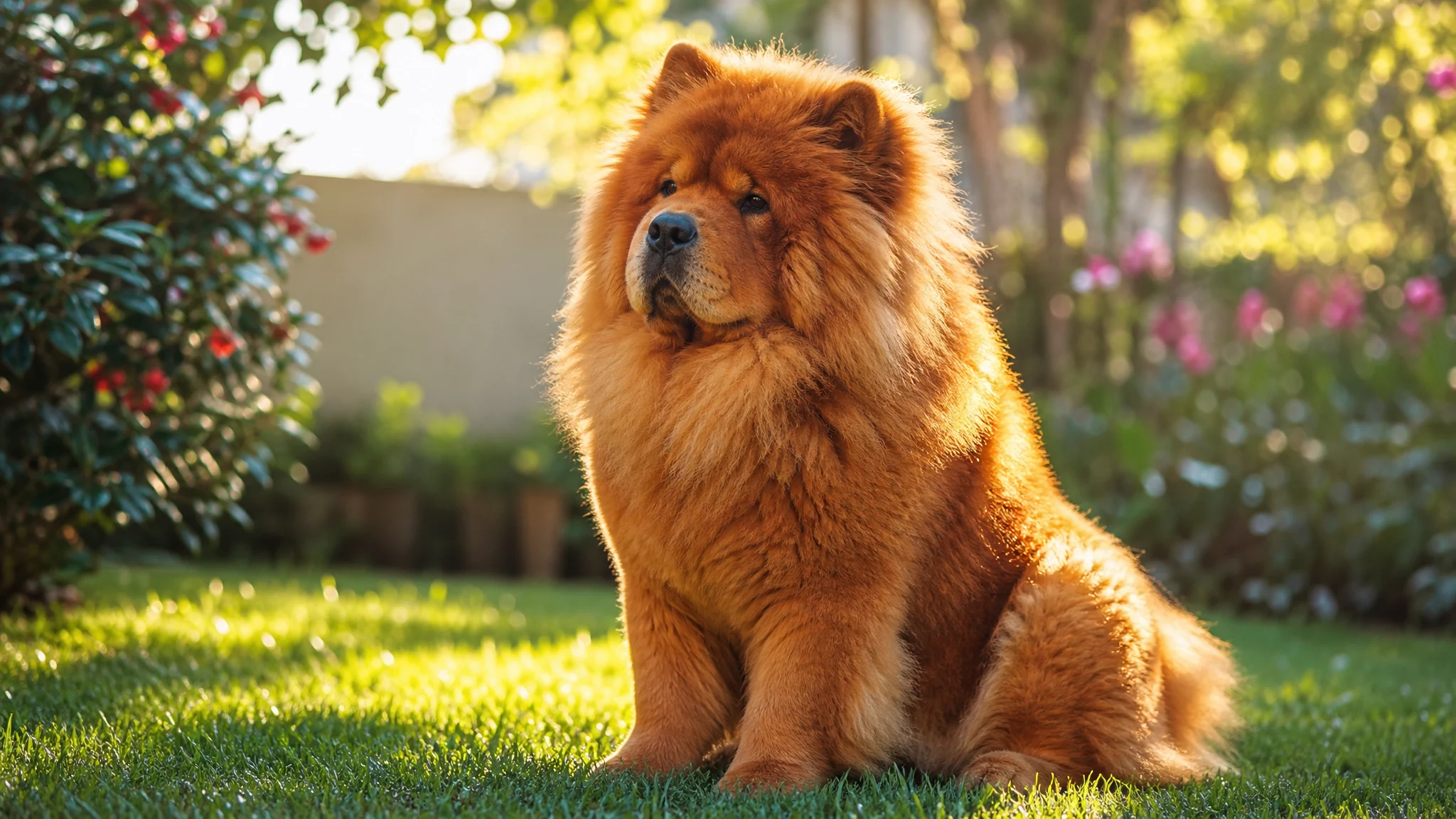
Chow Chows are dignified, loyal and a little bit serious. They are also known for doing things their own way. If you are wondering whether this breed fits your life, these answers cover temperament, trainability, who the breed suits and the myths that cause the most confusion.
Individual dogs vary, so treat everything here as a general picture and not a promise about one dog.
Trainability and Intelligence
Are Chow Chows easy to train?
Not for most people. The Canine Bible describes the breed as stubborn and says it needs experienced, consistent training with clear boundaries. Orvis calls the breed intelligent but highly independent, so expect patience to matter more than speed.
Are Chow Chows smart?
Yes, Orvis describes them as intelligent. The catch is that being smart and being eager to obey are two different things. A Chow Chow may understand what you want and still weigh whether it is worth doing.
What does Chow Chow trainability really look like?
Think of a thoughtful dog that wants a reason to cooperate. Orvis says training needs patience, consistency and positive methods. Short, calm sessions with rewards the dog actually values tend to suit that style better than long repetitive drills.
Why do people call Chow Chows stubborn?
Both Orvis and the Canine Bible point to an independent spirit. The breed's roots may explain part of it. The Canine Bible says Chow Chows come from northern China more than 2,000 years ago, where they worked as hunting, guarding and cart-pulling dogs.
Does independent mean untrainable?
No. It means you are negotiating, not commanding. The Chow Chow Club stresses that training starts the day the dog comes home, which tells you the breed responds best to steady, early effort.
For a full step-by-step approach, see our complete guide to training a Chow Chow.
Temperament
What is the Chow Chow temperament like?
Orvis describes an independent dog that is standoffish with strangers, loyal to family, protective and territorial. The Canine Bible adds dignified, calm, and sometimes aloof and strong-willed. It is a reserved breed, not a bouncy one.
Do Chow Chows bond with just one person?
Orvis says they usually bond with one favorite person. That does not mean the rest of the household is ignored. It does mean everyone should take part in training and care, so the dog learns to listen to more than one person.
Are Chow Chows aloof with strangers?
Orvis describes them as standoffish with strangers, and the Canine Bible says they can be aloof. Plan on calm, positive introductions to new people rather than expecting a greeter. Let the dog set the pace and reward relaxed behavior.
Do Chow Chows bark a lot?
According to the Canine Bible, they are not overly vocal but will bark to alert you or when they sense a threat. That makes them fairly quiet housemates, though a territorial dog may sound off at visitors or passersby.
How energetic are Chow Chows?
The Canine Bible lists moderate energy and says they enjoy daily walks but are not overly active or playful. Orvis suggests about an hour of moderate exercise daily, notes they tire quickly, and warns that heat can be a problem. Ask your veterinarian what is safe for your dog in warm weather.
Who the Breed Suits
Are Chow Chows good for first-time owners?
Usually they are a hard first dog. Both the Canine Bible and Orvis stress the need for an experienced owner. A first-timer who is patient, consistent and willing to learn can succeed, but should be ready for a steeper climb.
Are Chow Chows good with children?
The Canine Bible says they do better with older children who understand boundaries, and notes they can be aloof. A reserved dog may not enjoy grabbing or noisy play. Supervise all time between dogs and kids.
Do Chow Chows get along with other dogs?
The Canine Bible says they may be reserved or dominant with other dogs and that early socialization is key. Orvis also lists possible dominance as a challenge. Introduce new dogs slowly and keep early meetings positive.
Who is the ideal Chow Chow owner?
Someone who values a dignified, loyal companion over an eager-to-please one. You should be comfortable with heavy seasonal shedding, since Orvis describes a thick double coat needing frequent brushing. You also need the patience to train a dog with strong opinions.
Training Approach
When should training and socialization start?
Right away. The Chow Chow Club says training starts the day the dog comes home and that socialization before 12 to 16 weeks matters. It also notes a second fear period at 6 to 8 months, so keep experiences gentle and positive then.
What training methods work best?
Reward-based ones. Orvis recommends positive methods, and that matches the guidance of the American Veterinary Society of Animal Behavior. Harsh corrections can damage trust in a dog that is already selective about whom it trusts.
Should I use a group class?
A basic class can help with socialization, but the Chow Chow Club warns that serious problems such as aggression are not for group classes. If you see those signs, talk to your veterinarian about a qualified professional who uses reward-based methods.
What dog sports can a Chow Chow do?
The Chow Chow Club lists Obedience, Rally, Agility, Barn Hunt, Trick Dog, Canine Good Citizen and Tracking. Pick a sport that suits your dog's pace, and keep it fun. Remember the breed tires quickly.
Myths
Is it true Chow Chows are naturally aggressive?
None of the sources we relied on say that. They describe a protective, territorial, standoffish dog, which is not the same thing. Early socialization and consistent training matter, and individual dogs vary.
Is it true a Chow Chow cannot be trained?
No. The breed is described as intelligent, and the Chow Chow Club lists many performance activities its dogs take part in. It just takes patience and a plan that respects how the breed thinks.
Could health or heat affect training?
Possibly. Orvis lists hip and elbow dysplasia, eye disorders and other conditions among the breed's health concerns, and warns about heat. If your dog seems reluctant or uncomfortable, ask a veterinarian before assuming it is stubbornness.