Socializing a Chow Chow With Kids, Dogs and Strangers
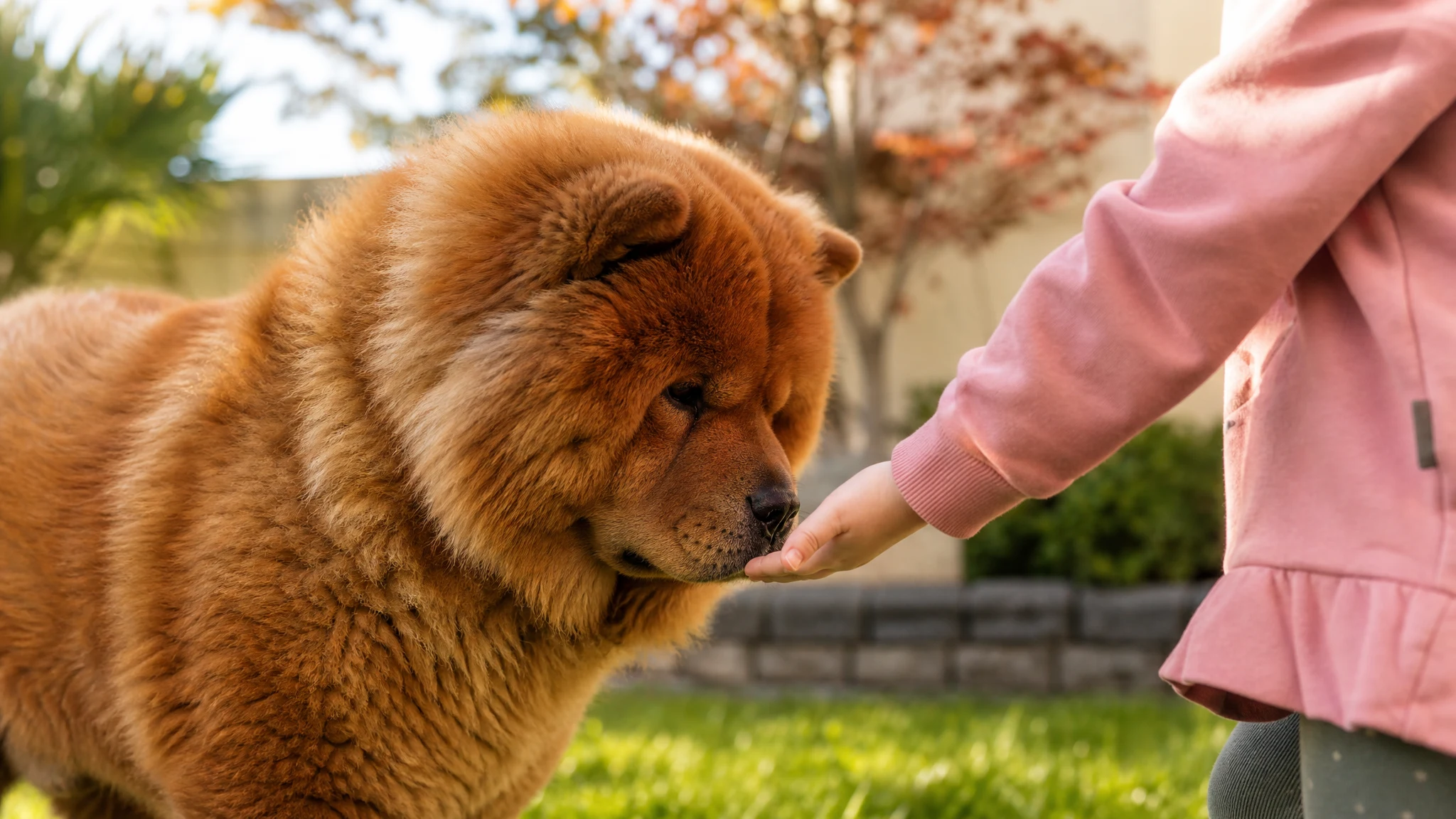
General training information. Every dog is an individual; for health or behavior concerns, see your veterinarian.
A Chow Chow can be a dignified, loyal companion. It can also be a dog that decides, very early, who matters and who does not. Good chow chow socialization is how you shape that choice while the dog is still young enough to be curious.
This guide walks through a plan for introducing your Chow to children, other dogs and unfamiliar adults. It is built around what breed sources say about the Chow's temperament, plus plain, reward-based training. Individual dogs vary, so treat every timeline here as a rough guide.
What to Know About the Breed First
Orvis describes the Chow as independent of spirit and standoffish with strangers, loyal to family, and often bonded most closely to one favorite person. It also calls the breed protective and territorial. Canine Bible adds that the Chow is dignified and calm, but can be aloof and strong-willed.
That matters for socialization. You are not trying to turn a reserved breed into a party animal. The goal is a dog that stays calm and neutral around people and dogs it does not know.
Are Chow Chows good with kids?
Canine Bible says Chow Chows do better with older children who understand boundaries, and notes the breed can be aloof. So the honest answer to "are chow chows good with kids" is: it depends on the dog, the child and the supervision. Very young children who grab, hug or chase are a poor match for a dog that prefers its own space.
Chow Chow with other dogs
Canine Bible says the breed may be reserved or dominant with other dogs, and that early socialization is key. Plan for a Chow who may not want to play with every dog it meets. Calm coexistence is a fine goal.
What You Need
- A secure leash and a well-fitted flat collar or harness
- Small, soft, high-value treats your dog loves
- A mat or bed for a settle spot
- A baby gate or exercise pen to create breaks from visitors and children
- A calm, vaccinated, dog-friendly adult dog as a practice partner, if you have access to one
- Cooperative friends and family, including at least one child old enough to follow rules
- A notebook to log what your dog saw and how it reacted
- Water and shade, because Orvis notes that heat can be a problem for the breed
Ask your veterinarian which vaccines and precautions your puppy needs before meeting other dogs or visiting public places.
Step-by-Step Socialization Plan
Step 1: Start the day the dog comes home
The Chow Chow Club's welfare committee article, "Please Train Your Chow," stresses that training starts the day the dog comes home. It also says socialization before 12 to 16 weeks matters, and that a second fear period arrives around 6 to 8 months.
If your Chow is already past those ages, do not give up. Go slower, keep distances larger and ask a qualified trainer for help if you see fear or tension.
Step 2: Build a calm baseline at home
Before you add new people or dogs, teach your Chow that settling on a mat earns treats. Reward quiet behavior often. A dog that already knows how to relax is much easier to socialize. For the core skills, see our complete guide to training a Chow Chow.
Step 3: Introduce strangers at a distance
Because the breed tends to be standoffish with strangers, do not push greetings. Instead:
- Stand far enough from a person that your dog can notice them and stay relaxed.
- When your dog looks at the person calmly, say a marker word and give a treat.
- Let the dog choose whether to approach. Never drag it forward.
- Ask visitors to ignore the dog at first, then toss treats on the floor without leaning over or reaching for its head.
Repeat this in different places and with different kinds of people, such as people in hats, people with bags and people using wheelchairs or strollers. Keep sessions short and end while your dog is still comfortable.
Step 4: Set up child interactions with firm house rules
Children need training too. Teach them these rules before any meeting:
- No hugging, climbing on or cornering the dog
- No touching the dog while it eats, chews or rests
- Pet the side of the body, not the face or head, and only when the dog comes over
- Feed treats by dropping them or holding a flat hand, with an adult guiding
- Walk, do not run or scream, around the dog
An adult must supervise every interaction, with eyes on the dog and child at all times. If you cannot watch closely, separate them with a gate or a closed door. Supervision is not optional with a protective, territorial breed.
Step 5: Know the warning signs and end early
Stop the session if your Chow stiffens, freezes, turns its head away, licks its lips repeatedly, shows the whites of its eyes, growls or moves off. These are requests for space. Calmly give it room, and do not punish growling, because that removes the warning dogs give before they escalate.
Since Orvis describes the breed as protective and territorial, pay extra attention when children bring friends over, when there is rough play or when the dog is guarding a toy, food or a favorite person. Manage those situations with gates, separate rooms and no shared chews.
Step 6: Introduce other dogs gradually
For chow chow with other dogs, parallel walking works better than a face-to-face meeting.
- Walk with a calm dog and its handler, starting far apart and on opposite sides of a wide path.
- Reward your Chow for relaxed behavior as the distance closes slowly.
- Allow a loose, brief sniff only if both dogs look soft and relaxed, then call them away before tension builds.
- Practice a few times with the same friendly, steady dog before adding new ones.
Avoid dog parks as a starting point. Off-leash crowds, fast play and unknown dogs are a lot to ask of a breed that may be reserved or dominant with other dogs, according to Canine Bible.
Step 7: Use classes carefully
A well-run puppy or basic manners class can help. However, the Chow Chow Club's welfare article warns that serious problems such as aggression are not for group classes. If your dog lunges, growls or shows fear around people or dogs, work with a qualified, reward-based professional one on one instead.
The Chow Chow Club also lists activities that suit the breed, including obedience, rally, agility, Barn Hunt, Trick Dog, Canine Good Citizen and tracking. Some of these can add structured, low-pressure outings. Check the program rules and your dog's comfort level before you enter.
Step 8: Keep outings short and cool
Orvis says Chows need about an hour of moderate exercise daily, tire quickly and can struggle in heat. Plan socialization walks for cooler parts of the day. A tired, overheated dog is more likely to be short-tempered, and bad experiences can undo your progress.
Tips for Better Results
- Quality over quantity. A few calm, positive meetings beat a crowded event.
- Pay in treats, not pressure. Reward-based methods are the approach recommended by the American Veterinary Society of Animal Behavior.
- Be consistent. Everyone in the household should use the same rules and cues.
- Protect your dog's choices. Let it walk away from greetings. A dog that can leave rarely feels the need to defend itself.
- Keep a log. Note triggers, distances and what worked, so you can spot patterns.
Common Mistakes to Avoid
- Forcing greetings. Pushing a standoffish dog into a stranger's hands can teach it that people are a threat.
- Letting guests pet the head. Reaching over a Chow's face is a common trigger.
- Leaving kids and dog alone. Even a calm dog needs an adult watching.
- Using harsh corrections. Shock, prong or choke collars and physical intimidation can increase fear and aggression. Do not use them.
- Skipping the second fear period. Around 6 to 8 months, keep exposure gentle and do not assume earlier progress will hold without practice.
- Assuming socialization is finished. It continues through adulthood.
What Results to Expect
With patient, regular practice, many Chows become calmer and more predictable around visitors, children who follow the rules and familiar dogs. You may see your dog notice new people and then settle, instead of freezing or barking. Results vary by dog, age, history and how consistent the household is.
A Chow may stay reserved all its life, and that can be perfectly acceptable. Aim for calm, safe behavior rather than friendliness with everyone. If you see growling, snapping, stiff posture or guarding that does not improve, contact your veterinarian to rule out pain or illness, then a qualified reward-based behavior professional.
Final Thoughts
Chow chow socialization is slow, quiet work, and it rewards patience. Respect the breed's independence, keep children and dogs well managed, and let your Chow earn confidence one calm experience at a time.